Spotlight Volume 2: Anurag Mishra and the Dashboards Bringing Columbia Global's Work Together
From Santiago to New York, a SIPA student is showing colleagues what hands-on AI can do.
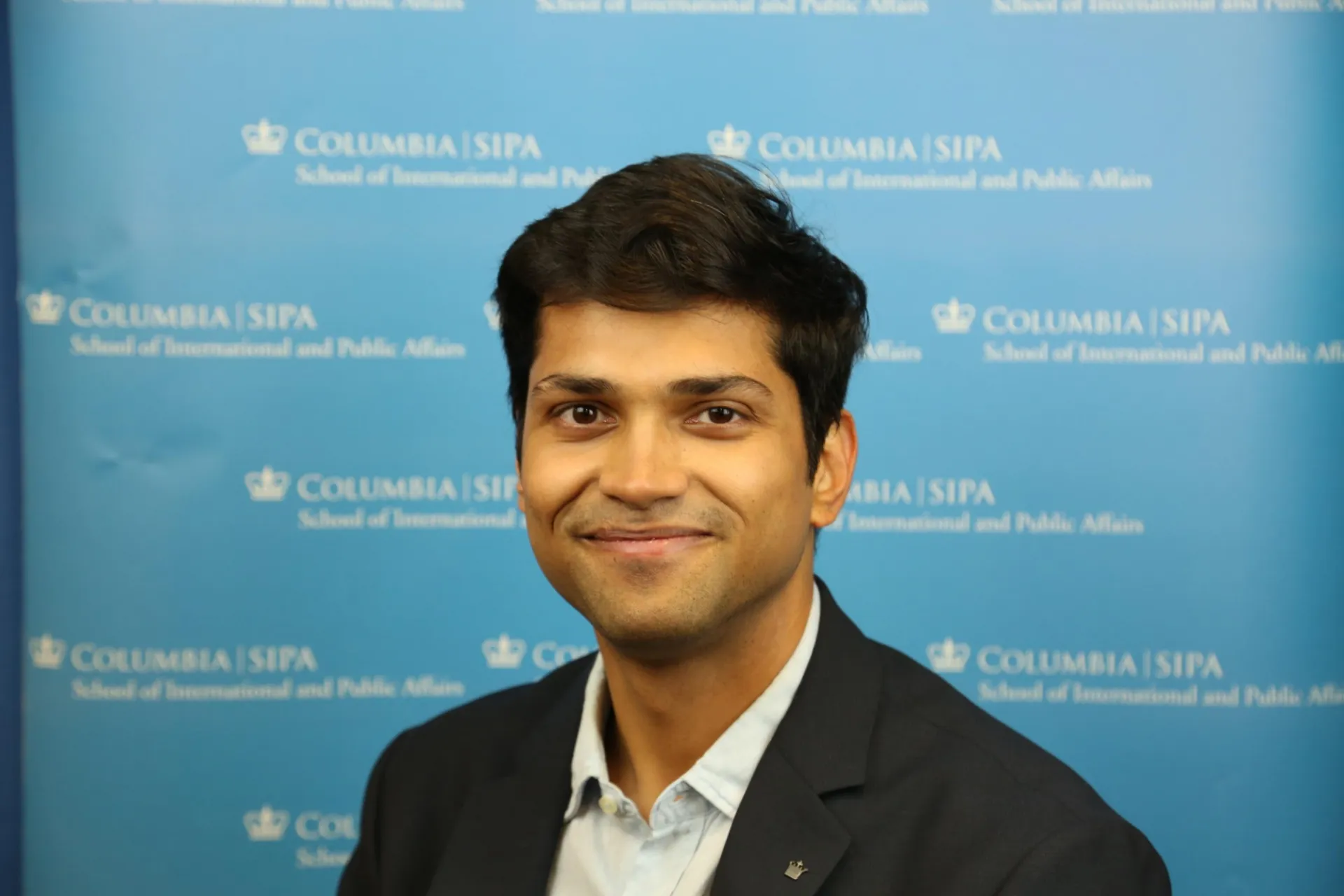
Anurag Mishra, a Master of Public Administration candidate at SIPA, is exploring how AI can make research and public information easier to find and use. Before coming to Columbia, he worked with the World Bank’s Global Education Practice and served as chief of staff to Delhi’s education minister. Now, through projects with Columbia Global, he builds powrful dashboards saving projects enormous amounts of time and manual effort, while improving accuracy.
Columbia Global connects the university’s research with partners around the world through 14 centers. For those centers, knowing what work is underway at Columbia can be the first step toward a local pilot, program, or collaboration.
One of Anurag’s projects is a monthly dashboard for Columbia Global’s center in Santiago, Chile. It brings relevant research and updates into one place, lets readers revisit previous editions, and offers the option to translate English content into Spanish. The dashboard has not yet been published; Anurag and the center are assessing whether it meets the team’s needs. He hopes it could eventually help staff identify a faculty project that fits an opportunity in Chile and start a conversation with the people behind it.
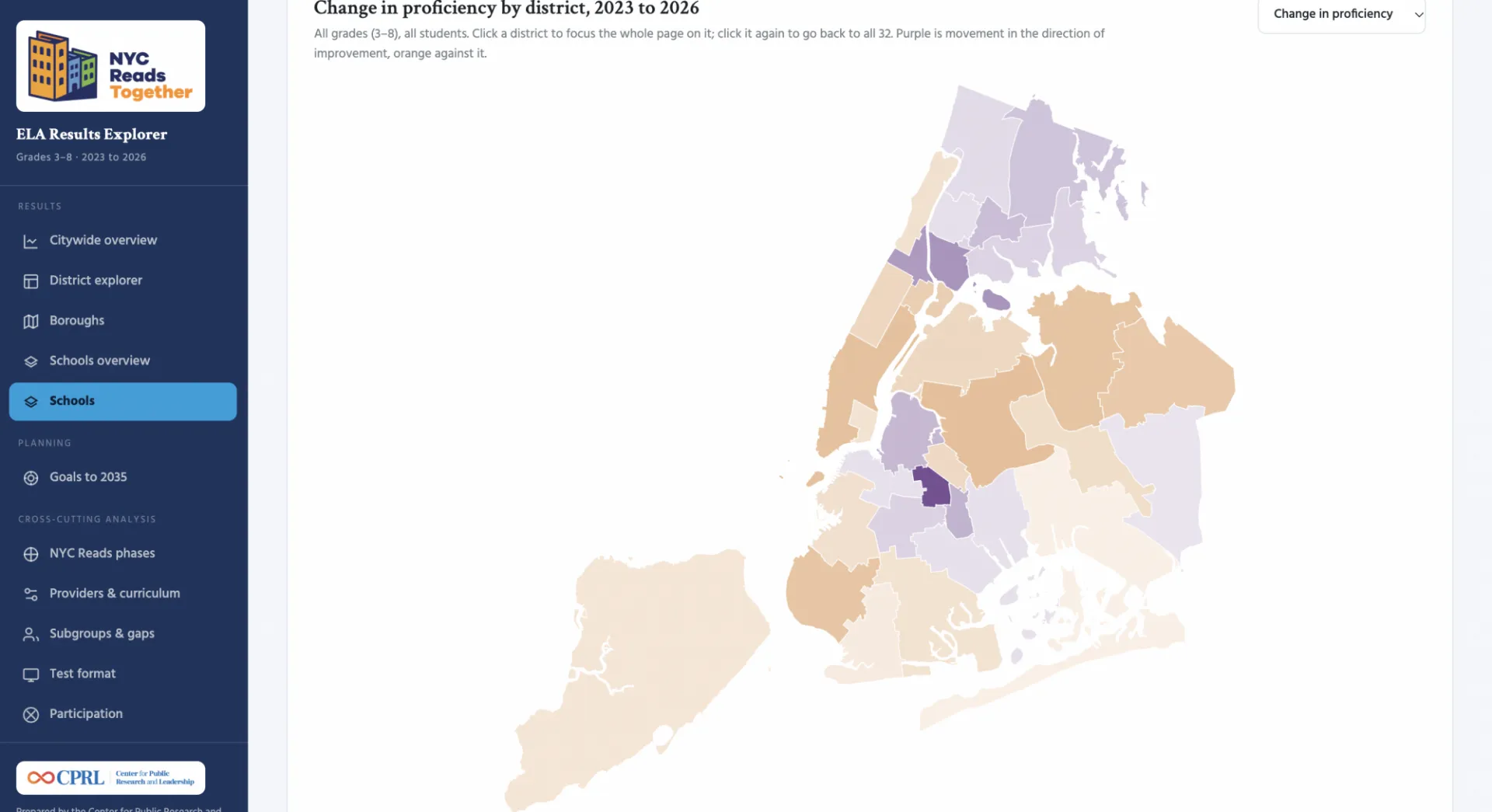
A separate dashboard presents publicly available data on New York City English language arts results for a law school project. Anurag describes the current version as a static resource, similar to a digital flyer. His longer-term goal is to place a dynamic version on the law school’s website, where it could refresh as new public data becomes available.
These are two examples from a larger body of work. Anurag estimates that he has built 16 or 17 dashboards over the past five to six months, each for a different purpose. Across that work, he estimates a direct impact on about 100 people in the organization.
Building the dashboards has also led him to develop a repeatable process. He keeps separate AI projects for the organizations he works with, along with instructions covering details such as colors, fonts, and logo placement. A written procedure guides how information is gathered and which sources to favor. One AI agent collects information and its source links; a second is tasked with checking the findings before they appear on a dashboard. Anurag’s stated standard is to leave an item out if it cannot be verified, even if that means reporting that there is nothing new to add.
He is sharing what he learns with colleagues, too. In a staff survey, more than 90 percent of respondents reported using AI, but often for routine work such as drafting emails, summarizing messages, or translating documents. Anurag saw an opportunity to show more hands-on uses. After spending time learning about colleagues’ needs, he launched a brown bag lunch series in New York. He hopes future sessions can include colleagues at other centers.
If interested in learning more, Anurag is available by email at [email protected].